How to Photograph Food with Your Smartphone
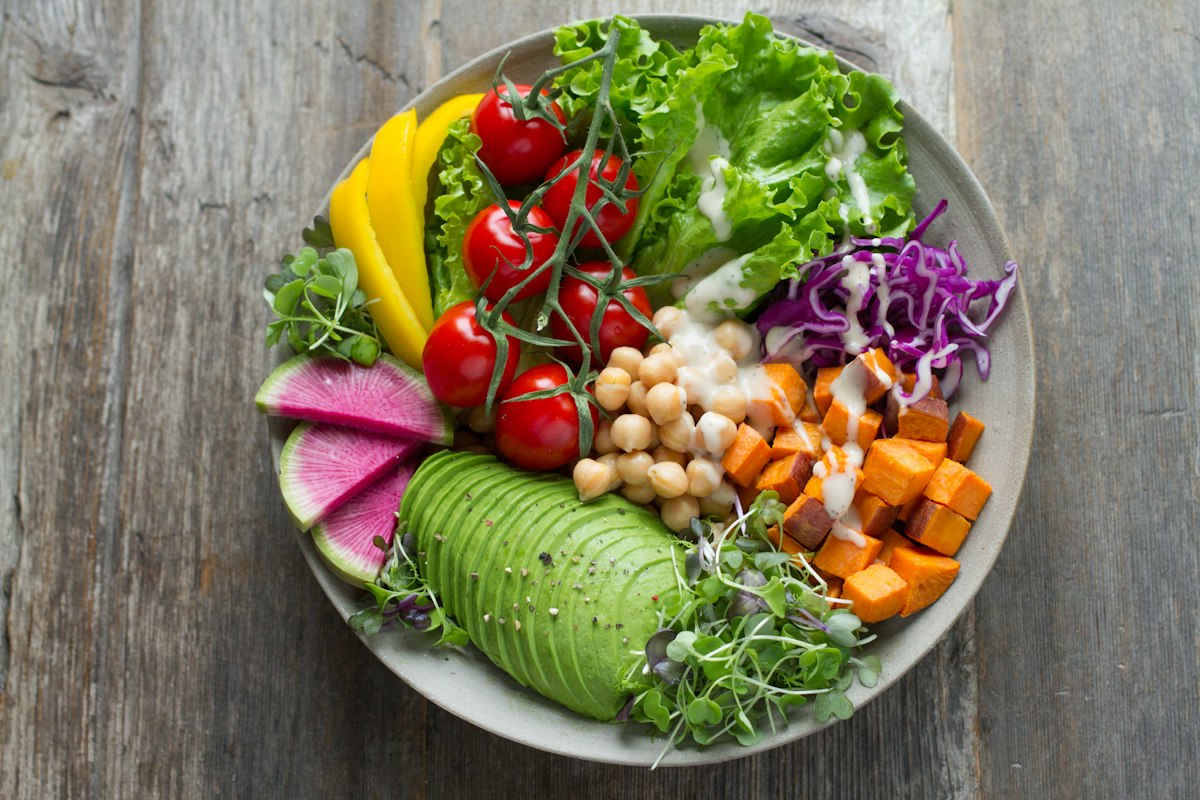
You don't need an expensive camera or professional studio to take mouthwatering food photos. Your smartphone is a powerful tool—and with the right techniques, you can capture images that make your dishes look incredible. Here's everything you need to know.
1. Clean Your Lens First
It sounds obvious, but a smudged lens is one of the most common reasons smartphone food photos turn out blurry or hazy. Before you shoot, give your lens a quick wipe with a soft cloth. It takes five seconds and makes a noticeable difference in sharpness and clarity.
2. Use Natural Light Whenever Possible
Natural light is your best friend for food photography. Position your dish near a window—ideally with soft, diffused light rather than direct sunlight, which creates harsh shadows. Avoid using your phone's built-in flash at all costs; it flattens textures and makes food look unappetizing.
If you're shooting in a restaurant with poor lighting, try to move the dish closer to any available window or use a small portable LED light panel as a supplement.
3. Master These Three Angles
- Overhead (flat lay): Perfect for pizzas, grain bowls, charcuterie boards, and anything with an interesting top view. Shoot directly from above at 90 degrees.
- 45-degree angle: The most versatile angle, mimicking how you'd naturally view a dish at a table. Great for burgers, pasta, and plated entrees.
- Eye level (straight on): Best for layered foods like burgers, cakes, and cocktails where the height and layers tell the story.
4. Use the Rule of Thirds
Enable the grid on your phone camera and place your main subject at one of the four intersection points—not dead center. This creates a more dynamic, visually interesting composition. Leave some negative space around the dish to avoid a cluttered frame.
5. Tap to Focus and Adjust Exposure
Always tap on your food in the viewfinder to set the focus point. Most phones also let you slide a sun icon up or down to adjust exposure. Slightly underexposing (darkening) often produces richer colors and better detail in bright foods like salads or citrus dishes.
6. Style Your Shot
A few simple styling tricks can dramatically elevate your photos:
- Add garnishes—a sprig of herbs, a drizzle of sauce, a sprinkle of spice.
- Use complementary props like linen napkins, rustic wooden boards, or attractive cutlery.
- Remove any smudges or spills from the plate rim before shooting.
- Keep backgrounds simple—a plain surface or clean tablecloth works best.
7. Let AI Do the Heavy Lifting
Even with great technique, smartphone photos sometimes fall short of professional quality. That's where FoodieFixer.app comes in. Upload your smartphone food photo and our AI enhances lighting, sharpness, color, and overall appeal—transforming a good shot into a great one in seconds.
Think of it as having a professional photo editor available 24/7, at a fraction of the cost of a photography session.
The Bottom Line
Great food photography is within reach for anyone with a smartphone and a little know-how. Master lighting and angles, style your dishes thoughtfully, and let AI enhancement close the gap between amateur and professional results. Your menu, blog, and social media will thank you.