How to Make Food Look Appetizing in Photos: 12 Proven Tricks
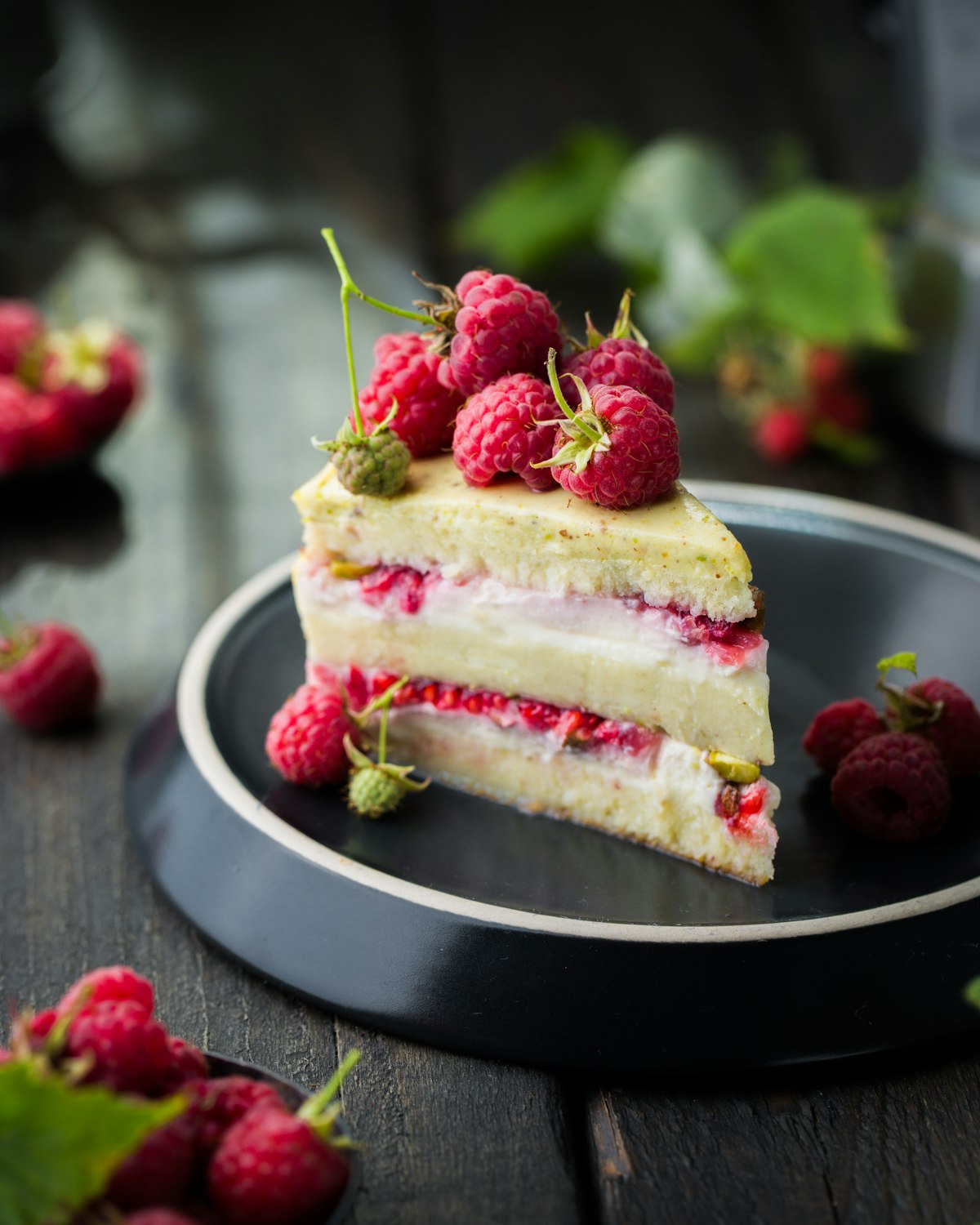
Appetizing food photography is not an accident. Behind every image that makes you want to reach into the screen and grab the dish, there is a deliberate set of decisions about styling, light, composition, and—increasingly—post-processing. These 12 techniques cover the entire workflow, from the moment you plate the dish to the final AI enhancement pass.
Tricks 1–3: Plating and Styling
- 1. Wipe the plate edges clean. Smears of sauce on the rim of a plate look unintentional and amateur on camera. Use a clean cloth or paper towel to wipe any drips before shooting. This single step improves the perceived quality of almost every plated dish.
- 2. Place garnishes intentionally, not randomly. A sprig of herbs, a lemon wedge, or a dusting of spice should be placed at the edge of the frame or at a deliberate point in the composition. Randomly scattered garnishes look like an afterthought; a single, well-placed herb sprig looks like craft.
- 3. Add sauce just before shooting. Sauces, glazes, and dressings begin to spread, absorb, and lose their sheen within minutes of plating. Drizzle or pool sauces immediately before shooting and photograph quickly.
Tricks 4–6: Freshness and Steam
- 4. Capture real steam from hot food. Steam signals freshness and warmth in a way no post-processing can fully replicate. Photograph hot dishes immediately after plating, using a dark background to make steam visible. Backlighting from a window behind the dish makes steam glow and pop against the background.
- 5. Use cold water to create condensation. For cold drinks and glassware, mist the outside of the glass with a small spray bottle of ice-cold water just before shooting. The condensation droplets signal chilled freshness and add texture to an otherwise smooth surface.
- 6. Apply oil or glycerin for a fresh gloss. Cut fruit, grilled vegetables, and proteins lose their natural sheen under camera lights within minutes. A very light brush of neutral oil (or food-safe glycerin for non-edible props) restores that fresh, just-cooked appearance for the duration of the shoot.
Tricks 7–9: Color, Contrast, and Composition
- 7. Use color contrast deliberately. Complementary colors create visual tension that draws the eye. A deep green herb on a bright orange curry, or a red cherry on a white panna cotta, creates contrast that makes the image pop. When plating for the camera, consider color as intentionally as you consider flavor balance.
- 8. Exploit negative space. Resist the urge to fill the frame. Empty space around your subject draws the eye toward it and gives the image a premium, editorial quality. A simple dish photographed with generous negative space often looks more upscale than a complex dish photographed tightly framed.
- 9. Show the cross-section for layered dishes. Burgers, layer cakes, sandwiches, and anything with internal structure look far more appetizing when shot from a low angle that reveals the layers. Tilt the dish slightly toward the camera or cut a slice and angle it to expose the interior.
Tricks 10–11: Lighting Adjustments
- 10. Use backlight for translucent foods. Soups, cocktails, sliced citrus, and thin-cut meats have a beautiful translucency that disappears when lit from the front. Position the light source behind and slightly to the side of the dish to let light pass through and glow.
- 11. Block harsh light with a diffuser. Direct sunlight creates hard shadows that obscure texture and make food look harsh. Tape a sheet of white tissue paper or baking parchment over the window to diffuse the light into a soft, even source that flatters food.
Trick 12: AI Enhancement as the Final Step
Even with perfect styling, lighting, and composition, the gap between a good food photo and a great one is almost always closed in post-processing. Color temperature correction, texture sharpening, and shadow recovery transform a competent image into a compelling one.
FoodieFixer is built specifically for this final step. Its AI model has been trained on professional food imagery to understand what each category of food should look like at its most appetizing. Upload your image and the AI applies targeted enhancements—deeper color, improved texture, better tonal balance—in seconds. At $0.30 per image, it is the most cost-efficient way to guarantee a professional finish on every photo you publish.
Key Takeaways
- Plate wipes and intentional garnishes: Small styling details have an outsized impact on perceived quality.
- Steam and condensation are freshness signals: Capture them deliberately rather than hoping they appear.
- Color contrast and negative space: Two composition tools that consistently elevate food photos.
- Show the inside of layered dishes: Cross-sections sell the composition of a dish better than any exterior angle.
- AI enhancement closes the final gap: FoodieFixer applies food-specific enhancements at $0.30 per image, making professional-quality results accessible to every food business.