Food Styling Tips to Make Your Dishes Look Amazing on Camera
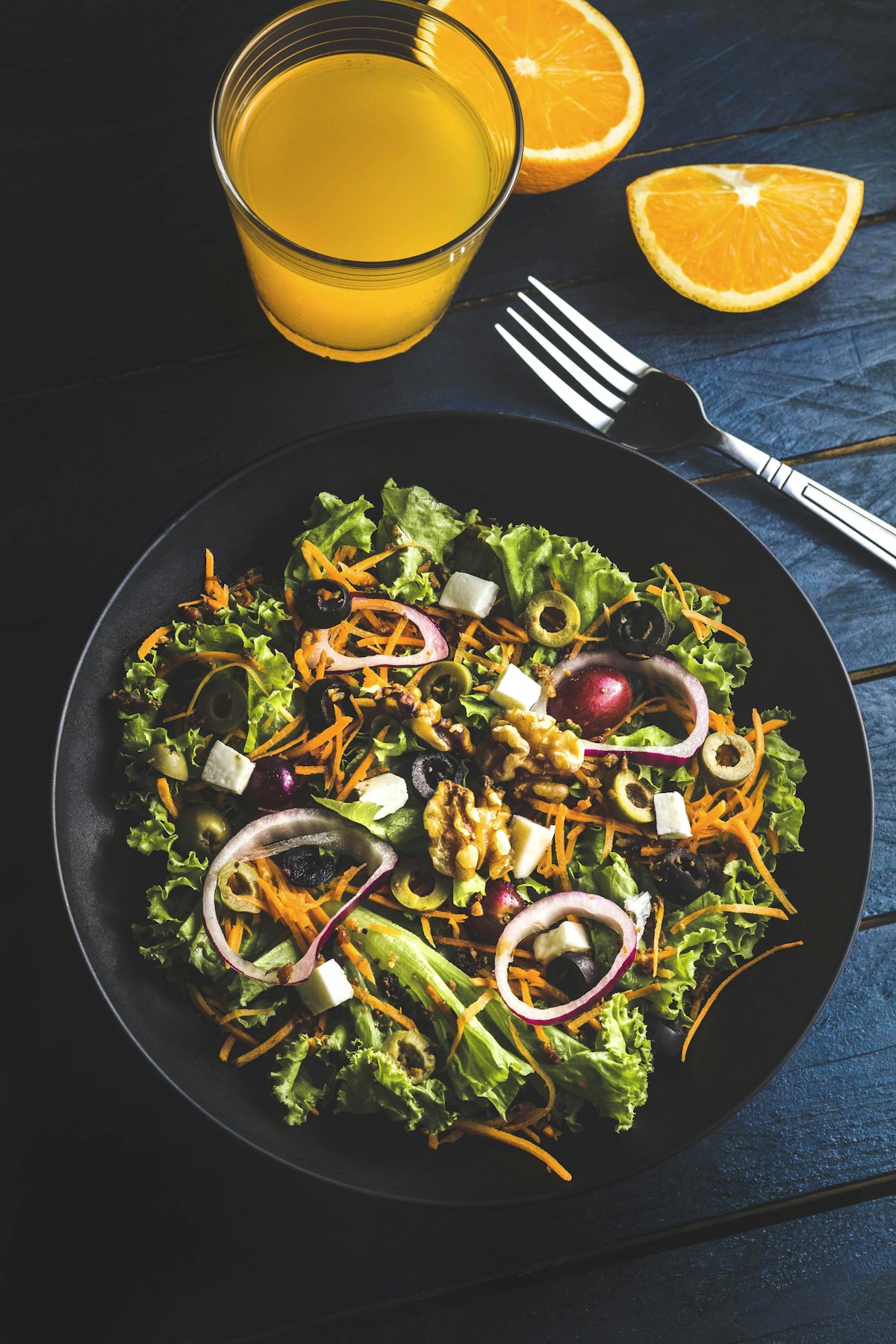
Food styling is the art of making food look its absolute best for the camera. Professional food stylists spend years honing their craft, but many of their core techniques can be learned and applied by anyone. Whether you're plating for a restaurant menu, a food blog, or social media, these tips will help your dishes look irresistible on camera.
The Fundamentals of Food Styling
Food styling starts with understanding what cameras see differently than the human eye. A camera flattens depth, struggles in low contrast, and doesn't benefit from the smell, warmth, and context that makes food appealing in person. Good styling compensates for these limitations.
Build Height Into Your Dishes
Height adds drama, appetite appeal, and a sense of abundance. Flat dishes look less interesting on camera than those with structure and elevation. Practical ways to build height:
- Stack proteins or vegetable components rather than spreading them flat.
- Twirl pasta using a fork and carving fork to create a nest shape.
- Arrange salad ingredients so taller elements (croutons, protein) sit on top.
- Fan out sliced meats or fruits rather than laying them flat.
- For burgers and sandwiches, tuck and adjust layers to show maximum thickness from the camera's angle.
Garnishes: Fresh, Last-Minute, and Intentional
A well-placed garnish elevates a dish from simple to spectacular. Key rules:
- Add garnishes immediately before shooting. Fresh herbs wilt within minutes. Ice cream melts. Add your garnishes as your final step before picking up the camera.
- Less is more. One or two garnishes placed with intention look more professional than a scattered handful. Think about where the viewer's eye will go—your garnish should enhance the focal point, not compete with it.
- Match garnishes to the dish. A sprig of thyme belongs on a roast; a squeeze of lime complements a taco. Irrelevant garnishes look staged and artificial.
- Use fresh color. A pop of green (herbs, microgreens) or red (pomegranate seeds, sliced chili) adds visual energy to neutral-colored dishes.
The "Best Side" Rule
Every dish has a best side—the angle that shows the most texture, color, and visual interest. Before you shoot, rotate the plate, bowl, or board through a full 360 degrees and find the position where the food looks its absolute best. This single habit makes an enormous difference and takes less than 10 seconds.
Sauce and Drizzle Technique
Sauces and drizzles add movement and appetite appeal to dishes. The way you apply them makes a significant difference:
- Use a squeeze bottle for precision control over sauce placement.
- Drizzle from height (holding the bottle 30–40cm above the dish) for a natural, flowing pattern.
- A brush or spoon can create deliberate smears for modern plating.
- Wipe sauce drips from plate rims with a damp cloth or paper towel immediately before shooting.
Choosing Props That Enhance, Not Distract
Props set the mood and tell the story of your dish. A cast iron skillet suggests rustic comfort food. A clean white plate suggests fine dining. A wooden board suggests artisan and handcrafted. Choose props that align with your brand and the character of the dish.
A useful starter prop collection for food photography:
- 3–4 plates or bowls in neutral colors (white, cream, black, terracotta)
- A wooden cutting board
- Linen or cotton napkins in 2–3 neutral tones
- Simple cutlery (matte black or brushed silver)
- A small glass or ceramic dish for sauces
Using Texture and Color Contrast
Visual contrast is what makes a photo pop. Aim for:
- Color contrast: A bright red tomato on a white plate. A dark chocolate dessert on a light linen cloth. Complementary or contrasting colors make each element stand out.
- Texture contrast: Pair smooth sauces with crunchy toppings. A creamy soup with crusty bread on the side. Texture contrast adds visual interest and communicates flavor complexity.
- Size contrast: A large main element with smaller supporting elements creates natural visual hierarchy.
Finishing with AI Enhancement
Even perfectly styled dishes benefit from a final AI enhancement step. FoodieFixer.app optimizes the lighting, color accuracy, and sharpness of your photos so that every styling decision—the height, the garnishes, the textures—is fully visible and looks its best. Think of it as the final polish that brings all your styling work together.
"I spent 30 minutes learning basic food styling techniques and started using FoodieFixer.app for enhancement. My Instagram engagement went up immediately. People started commenting that my food looked 'restaurant quality.' The combination is a game-changer."