Common Food Photography Mistakes and How to Fix Them
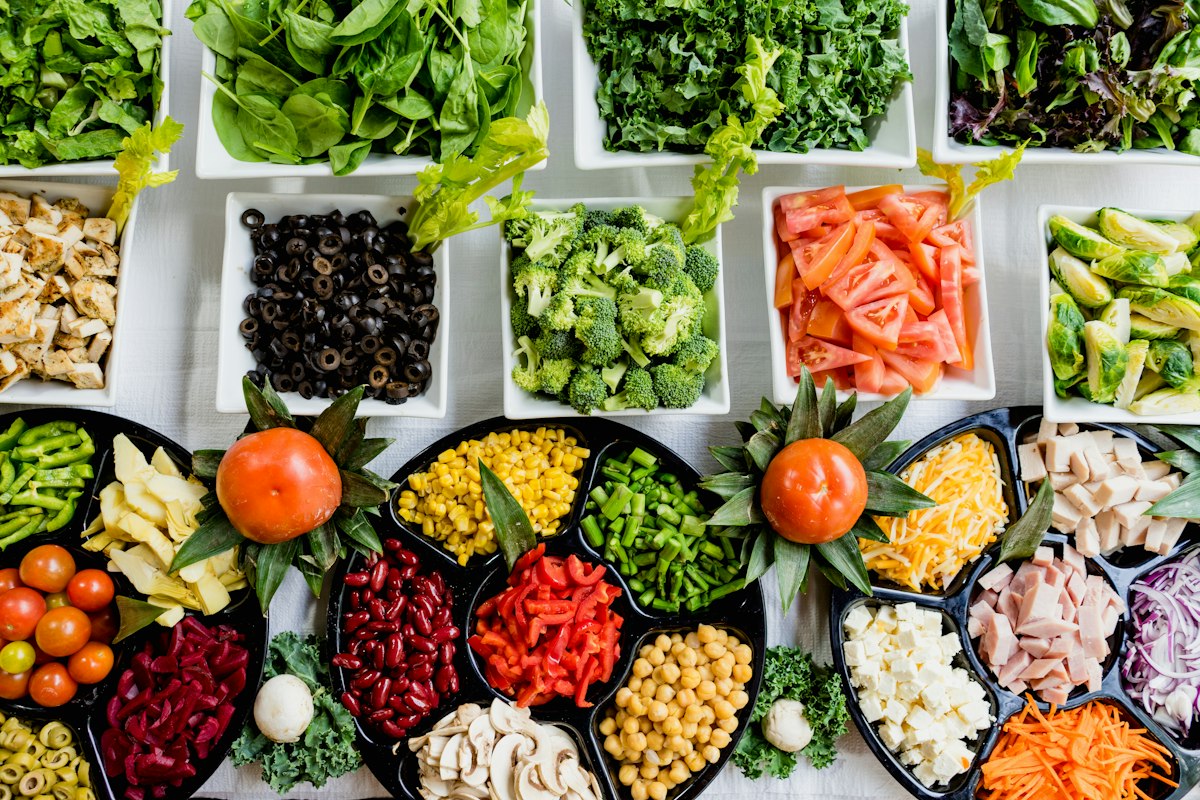
Even with a beautiful dish and a decent camera, certain mistakes can make food photos look amateur or unappetizing. Here are the most common food photography errors—and exactly how to fix them.
Mistake 1: Using the Built-In Flash
The built-in flash on cameras and smartphones is the enemy of good food photography. It creates harsh, flat light that eliminates texture, blows out highlights, and makes food look washed out and unappetizing. The warm, inviting colors and natural textures that make food look delicious are completely destroyed by direct flash.
The fix: Turn off your flash entirely. Move to a window with natural light, or use a small LED panel. If you're in a dimly lit restaurant, increase your camera's ISO sensitivity or use a slow shutter speed on a tripod rather than reaching for the flash.
Mistake 2: Cluttered Backgrounds
Distracting backgrounds pull the viewer's eye away from the food. Phone cases, menus, salt shakers, glasses, other diners, and messy tablecloths all compete for attention and make your photo look chaotic and unprofessional.
The fix: Simplify ruthlessly. Before you shoot, clear everything from the frame that doesn't intentionally contribute to the composition. A clean surface, one or two complementary props (maximum), and your food. If you can't clean up the background, choose a tight crop or shallow depth of field to blur it out.
Mistake 3: Dead Center Composition
Placing your subject perfectly in the center of every frame is the most common beginner composition mistake. Center-weighted compositions feel static and visually boring, especially for food photography.
The fix: Apply the rule of thirds. Enable the grid on your camera or phone and place your main subject at one of the four intersection points. Leave intentional negative space—this gives the image room to breathe and makes the composition feel professional.
Mistake 4: Shooting at the Wrong Angle
Different dishes look best at different angles, and shooting everything from the same angle produces monotonous results. A flat pizza photographed at eye level looks like a circle of cheese. A layered burger shot from overhead loses all its height and drama.
The fix: Match the angle to the dish. Flat or patterned foods (salads, flatbreads, grain bowls) look best from directly overhead. Tall or layered foods (burgers, cakes, cocktails) look best at eye level. Most plated dishes look best at a 45-degree angle, which shows both the top and the side simultaneously.
Mistake 5: Waiting Too Long to Shoot
Food changes rapidly after it's plated. Ice cream melts. Soufflés collapse. Salad greens wilt. Steamed dishes lose their steam. Waiting until the dish is "perfect" often means photographing a dish that's already past its visual peak.
The fix: Set up your shot before the food arrives. Know your angle, check your focus, and be ready to shoot the moment the dish is placed. The first 60–90 seconds after plating are your best window for most hot dishes. For cold dishes like salads and desserts, you have slightly more time, but shoot quickly regardless.
Mistake 6: Blurry Images
Blur ruins food photos. It typically comes from camera shake (holding the phone unsteadily), an incorrect focus point, or shooting in low light with a slow shutter speed.
The fix: Tap to set focus on the food before shooting. Stabilize your hands against a solid surface, or use a small tripod. In low light, use a tripod or a phone gimbal. Take multiple shots and choose the sharpest one.
Mistake 7: Over-Editing
Cranking saturation to maximum, adding extreme filters, or over-sharpening makes food look artificial and unappetizing. Viewers can sense when food photos are heavily over-processed, and it erodes trust in what the actual dish looks like.
The fix: Edit to enhance, not transform. Small adjustments to exposure, contrast, white balance, and a gentle saturation boost are all you usually need. When in doubt, pull back your edits by 50%—you're probably overdoing it. AI tools like FoodieFixer.app are calibrated to make natural-looking enhancements that make food look better without looking fake.
Quick Reference Checklist
- Flash: OFF
- Background: Clear and simple
- Composition: Rule of thirds, not dead center
- Angle: Matched to the dish type
- Timing: Shoot within 90 seconds of plating
- Focus: Tapped on the food, camera stable
- Editing: Subtle enhancements only