Food Photography Lighting Tips: Natural vs. Artificial Light
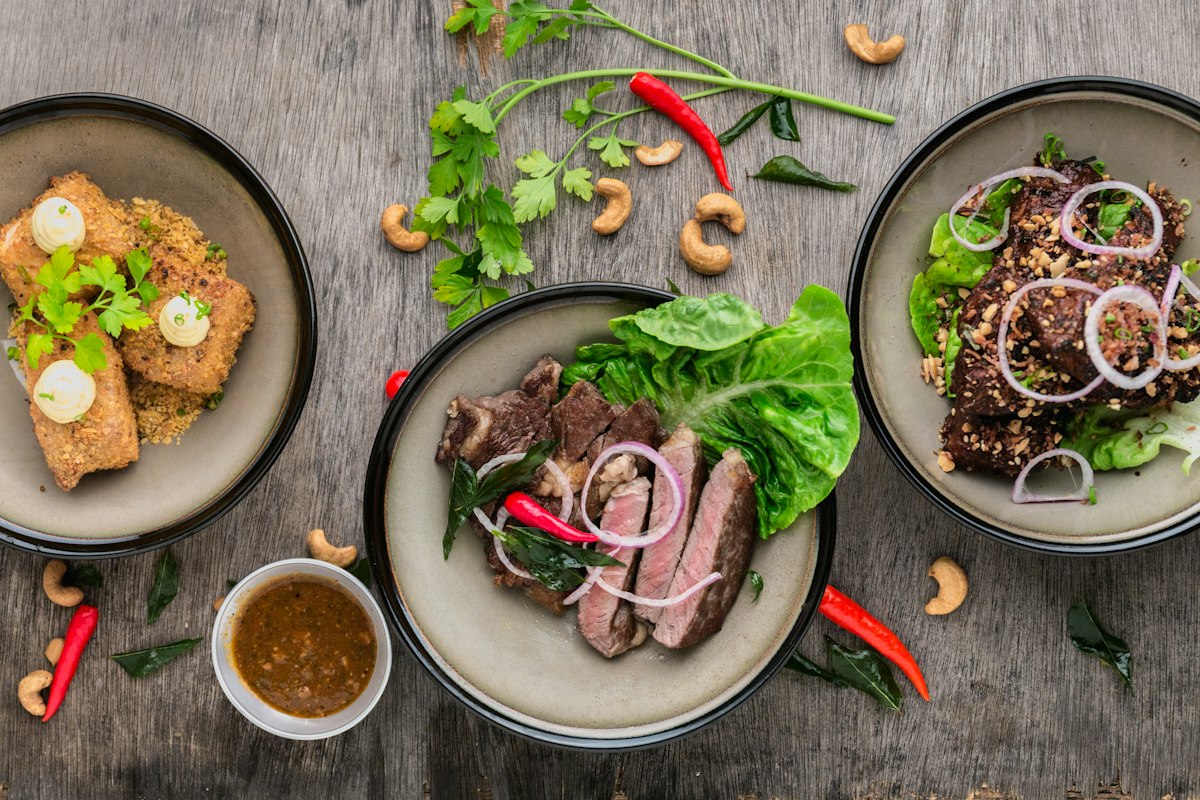
Lighting is the single most important element of food photography. It can make a beautifully plated dish look dull and flat—or transform a simple meal into a magazine-worthy image. Understanding how to work with both natural and artificial light gives you the flexibility to shoot stunning food photos anywhere, anytime.
Natural Light: The Gold Standard
Natural window light is widely regarded as the best light source for food photography. It's soft, directional, and renders colors accurately. Here's how to make the most of it:
- Side lighting: Position your dish so the window light comes in from the side. This creates gentle shadows that add depth and texture to your food, making it look three-dimensional.
- Back lighting: Place your dish between you and the window. This creates a beautiful rim of light around translucent foods like soups, drinks, and salads, giving them an inviting glow.
- Diffuse harsh light: Direct sunlight is too harsh. If the sun is bright, hang a white sheet or tape tracing paper over the window to soften the light.
- Avoid midday sun: Early morning and late afternoon light is softer and warmer, ideal for food shots. Harsh midday light creates unflattering shadows.
Using Reflectors to Fill Shadows
When shooting with natural side or back light, one side of your dish may fall into shadow. A simple white foam board or a piece of white cardboard placed opposite the light source will bounce light back into the shadows, creating a more balanced, professional look. This technique is used by professional food photographers daily and costs almost nothing.
Artificial Lighting for Food Photography
Natural light isn't always available—especially for restaurants serving dinner or food bloggers who work in the evenings. Artificial lighting setups can produce excellent results when used correctly.
- Continuous LED panels: Affordable and easy to use, LED panels provide consistent light that lets you see exactly what you're capturing. Look for panels with adjustable color temperature (around 5500K for daylight-balanced results).
- Softboxes: Used by professional photographers, softboxes diffuse the light from a strobe or continuous light source, mimicking the soft quality of natural window light.
- Ring lights: Popular for overhead flat-lay shots, ring lights provide even, shadow-free illumination. Less ideal for side-lit shots where texture and depth are important.
Color Temperature Matters
Color temperature affects how warm or cool your food looks in photos. Natural daylight is around 5500–6500K (cool, neutral white). Tungsten bulbs are around 2700–3000K (warm, orange-tinted). For most food photography, aim for a neutral to slightly warm light, as it makes food look more appetizing. Always use a single consistent light source—mixing warm and cool lights creates unflattering color casts that are difficult to fix in editing.
When Lighting Isn't Perfect: AI to the Rescue
Even experienced photographers encounter challenging lighting situations—a dim restaurant, a rainy day with no window light, or a fast-paced kitchen where there's no time to set up a proper shot. FoodieFixer.app's AI enhancement corrects lighting issues, color casts, and exposure problems automatically, so even photos taken in suboptimal conditions can end up looking professional.
Key Takeaways
- Side and back lighting from a window creates the most flattering natural food photos.
- Use a white reflector card to fill in shadows when shooting with natural light.
- For artificial setups, LED panels with softboxes provide the most flexible and professional results.
- Keep color temperature consistent—never mix warm and cool light sources.
- AI enhancement can save shots taken in difficult lighting conditions.