Flat-Lay Food Photography: A Complete Beginner's Guide
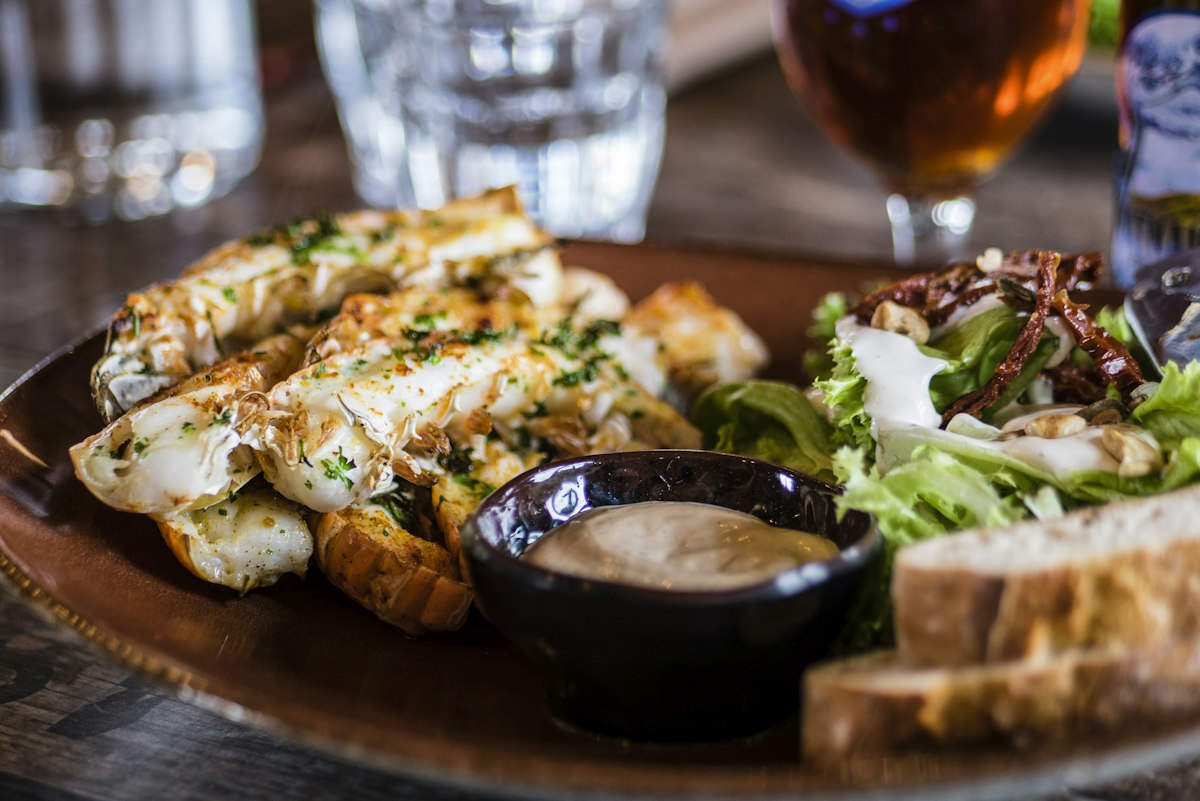
The flat-lay is one of the most recognizable styles in modern food photography: camera positioned directly overhead, dish laid out on a flat surface, story told entirely through composition. It is also one of the most versatile—equally at home on Instagram, a restaurant website, or a printed menu. If you have never tried it before, this guide covers everything you need to get started.
What Makes Flat-Lay Food Photography So Effective?
The overhead perspective gives the viewer a god's-eye view of the food—an angle rarely experienced in real life. This novelty creates visual interest and forces the photographer to think carefully about layout, color, and negative space. When done well, a flat-lay communicates abundance, craftsmanship, or seasonal mood in a single frame. It is particularly effective for dishes where the toppings or arrangement are central to the appeal: pizzas, grain bowls, charcuterie boards, and dessert spreads.
Essential Equipment for Flat-Lay Shooting
You do not need a full studio to shoot compelling flat-lays. These are the essentials:
- Camera or smartphone: Any recent flagship phone—iPhone 15 or equivalent—shoots flat-lays that are publication-ready after AI enhancement.
- Overhead arm or ladder: Getting the camera perfectly vertical is the hardest physical challenge. A ceiling mount, overhead arm, or even a step ladder can position the camera directly above the subject.
- Backgrounds: Invest in 2–3 quality surface boards: light wood grain, dark slate, white marble, and concrete are the most versatile for food. Specialty photography boards from brands like Replica Surfaces cost $30–$80 and are reusable indefinitely.
- Props: Gather a small collection of relevant props—linen napkins, vintage cutlery, ceramic bowls, small herb sprigs. Less is almost always more.
Lighting for Flat-Lay Food Photography
For overhead shots, the direction of your light source matters more than its power. Position your main light source (a window or softbox) to one side of the frame rather than directly overhead—this creates gentle shadows that reveal texture and add depth to what would otherwise be a flat, lifeless image.
Hard midday sun creates ugly shadows. The best natural light for flat-lays comes from a north-facing window or from indirect bounced light on an overcast day. If shooting under artificial light, use a large, diffused source—a softbox rather than a bare strobe—to replicate the quality of window light.
Composition Rules That Actually Work
Flat-lay composition is an art form with a few reliable frameworks:
- Rule of thirds: Place your hero dish at an intersection of thirds rather than dead center. Center placement can feel static; off-center compositions feel alive.
- Negative space: Leave breathing room around your subject. Empty space is not wasted space—it draws the eye to the focal point and creates a premium, editorial feel.
- Color blocking: Group complementary colors together. A vibrant green herb next to an orange sauce creates visual contrast that holds attention.
- Odd numbers: Three strawberries looks more dynamic than two or four. Groups of three or five elements are a reliable composition rule.
- Partial crops: Allowing props or secondary dishes to be partially cut off at the frame edge creates a sense that the scene extends beyond the photo.
Props and Styling for Flat-Lays
Props should support the story without competing with the food. A rustic linen napkin under a farmhouse soup bowl reinforces the comfort-food narrative. Scattered whole spices around a curry add context without distraction. The key rule: every prop should justify its presence in the frame. If removing it makes the image better, remove it.
Build a styling kit that fits your brand. A sushi restaurant's flat-lay kit might include bamboo mats, chopsticks, and small dipping bowls. A bakery's kit might center on parchment paper, wire cooling racks, and scattered flour. Consistency in props builds visual brand recognition over time.
Post-Processing Your Flat-Lay Images
Even great flat-lays need editing. The overhead angle can make colors appear slightly washed out due to the even, diffused light. Post-processing should restore vibrancy, correct any color cast from the surface material, and sharpen fine details like seeds, herbs, and textures.
FoodieFixer handles this editing step automatically. Upload your flat-lay and the AI applies targeted enhancements optimized for food imagery— restoring color depth, improving texture contrast, and delivering a finished image ready for publishing. At $0.30 per image, it is the fastest way to move from raw shot to polished result without touching a slider.
Key Takeaways
- Overhead perspective is powerful: It reveals layout and abundance in a way no other angle does, making it ideal for dishes with great toppings or spreads.
- Side-lit natural light beats overhead artificial light: Shadows add depth; flat overhead light removes it.
- Composition frameworks work: Rule of thirds, negative space, and odd-number groupings are reliable starting points for beginners.
- Props tell stories, not fill space: Every element in the frame should earn its place.
- AI editing completes the workflow: FoodieFixer restores color depth and texture detail that the overhead angle and even lighting tend to flatten.