Food Photography for Munich Restaurants
Bavaria's beer-hall capital with a surprising fine dining scene and an international workforce reshaping what Münchners eat
Munich has 6,000+ restaurants. Standing out starts with better photos.
Before
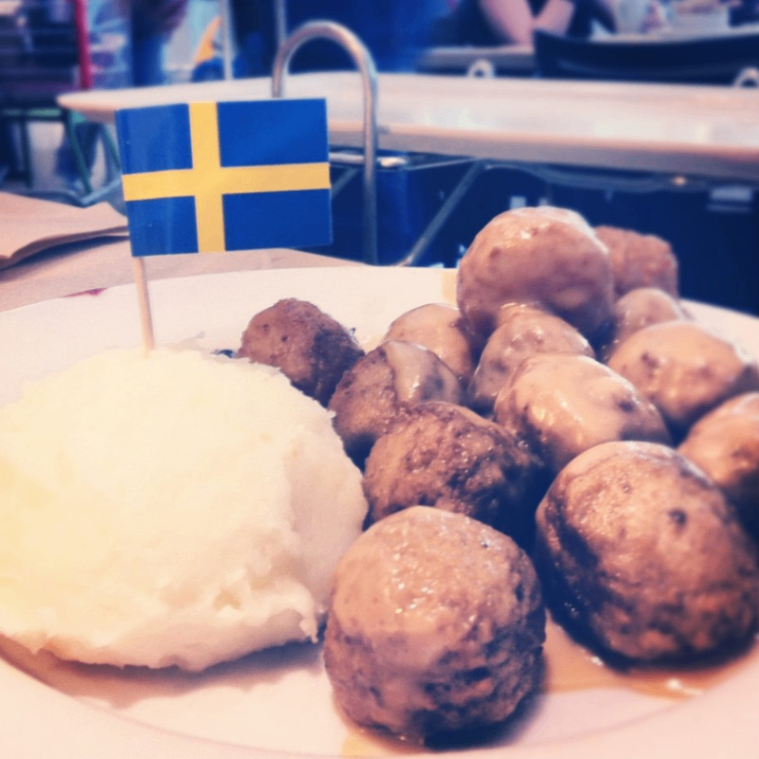
After

How It Works
Upload your food photo
Drag and drop any photo from your phone or camera
AI enhances it automatically
Food-specific AI improves color, texture, and appetite appeal
Download and publish
Ready for your menu, website, and delivery listings in under 30 seconds
AI Enhancement vs. Hiring a Photographer in Munich
| With FoodieFixer | Hiring a Photographer | |
|---|---|---|
| Cost per dish | $0.30 | $20–$50 |
| Turnaround | 30 seconds | 1–2 weeks |
| Menu changes | Anytime | Schedule in advance |
| Setup required | None | Full shoot setup |
| Consistent style | Automatic | Depends on photographer |
Munich is defined internationally by the Oktoberfest and its beer hall culture — Hofbräuhaus, white sausages with sweet mustard, and pretzels are genuine Munich institutions. But the city's food scene extends far beyond Bavarian tradition: a wealthy international population driven by BMW, Siemens, and Munich's tech sector has created demand for excellent Japanese, Italian, and modern European restaurants alongside the traditional Wirtshäuser. The English Garden's beer gardens, the Viktualienmarkt, and the restaurant neighborhoods of Glockenbach and Schwabing define a food culture that balances tradition with cosmopolitan ambition. Lieferando and Uber Eats both operate in Munich.
Munich's dining public is prosperous and discerning — the city has the highest average income of any German city, and its restaurant expectations reflect that spending power. For independent restaurants competing in a market that includes both international chains and the powerful pull of traditional Bavarian gastronomy, strong food photography is how they communicate quality and stand out. A modern restaurant in Glockenbach or an Italian restaurant in the Maxvorstadt that looks as good online as the traditional institutions benefit from the combination of Munich's prosperity and the visual discovery habits of its international, digitally native population.