Food Photography for Edmonton Restaurants
Alberta's capital with a food scene that surprises visitors, driven by oil-patch prosperity and a devoted independent dining community
Edmonton has 3,000+ restaurants. Standing out starts with better photos.
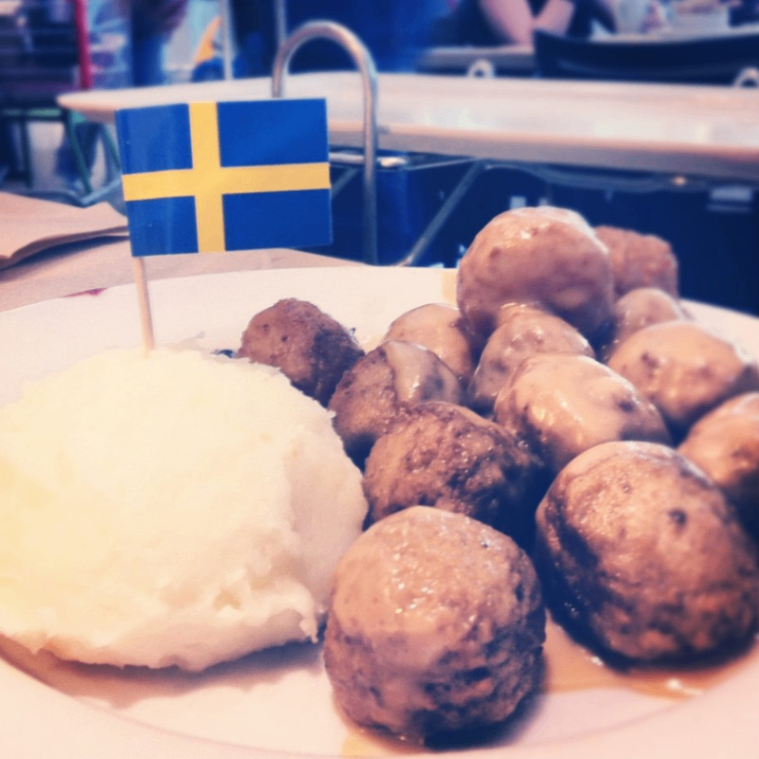
Before
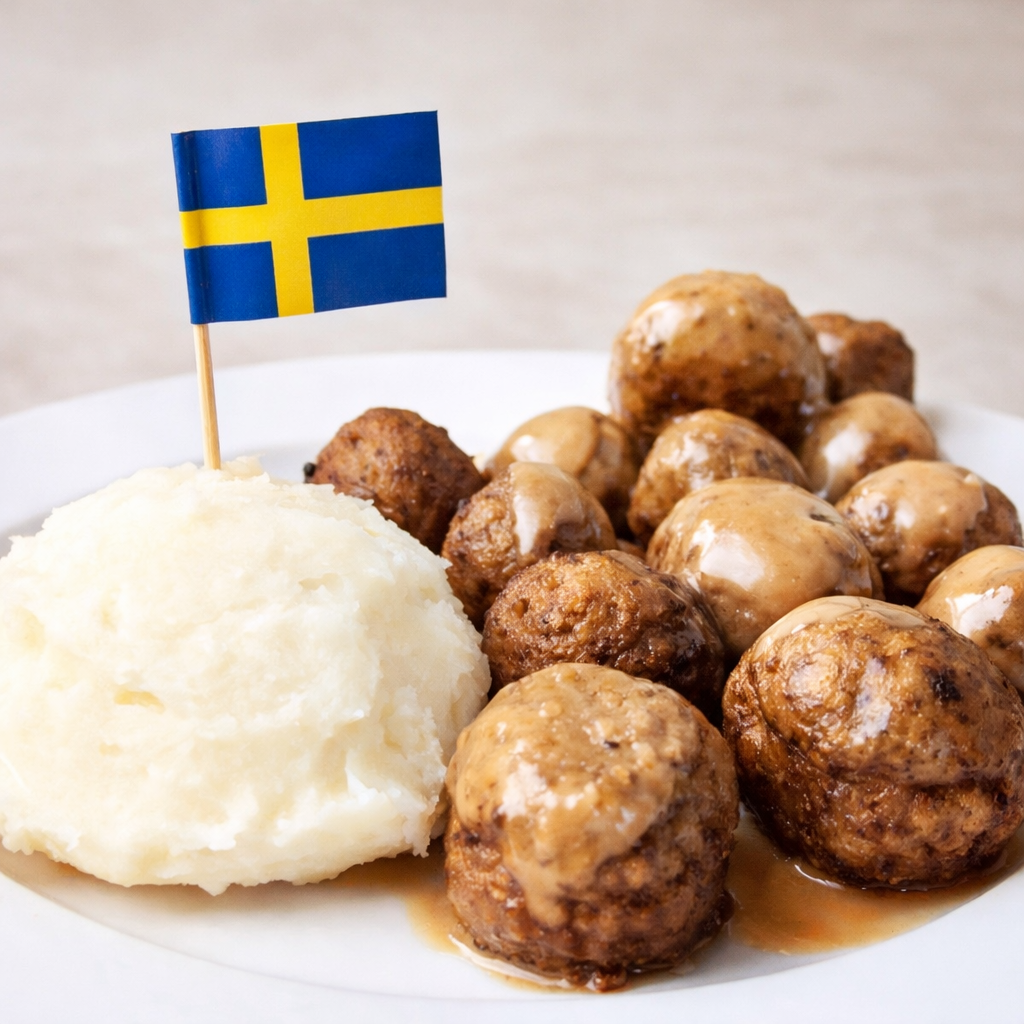
After
How It Works
Upload your food photo
Drag and drop any photo from your phone or camera
AI enhances it automatically
Food-specific AI improves color, texture, and appetite appeal
Download and publish
Ready for your menu, website, and delivery listings in under 30 seconds
AI Enhancement vs. Hiring a Photographer in Edmonton
| With FoodieFixer | Hiring a Photographer | |
|---|---|---|
| Cost per dish | $0.30 | $20–$50 |
| Turnaround | 30 seconds | 1–2 weeks |
| Menu changes | Anytime | Schedule in advance |
| Setup required | None | Full shoot setup |
| Consistent style | Automatic | Depends on photographer |
Edmonton is Alberta's capital and the gateway to the province's oil sands — a city with oil-patch prosperity that has invested in a food scene that consistently surprises visitors expecting a utilitarian northern city. Whyte Avenue, the Old Strathcona neighborhood, and the emerging 124th Street corridor have developed independent restaurant concentrations with genuine ambition. Edmonton's Vietnamese food community — one of the largest in Canada relative to city size — produces some of the finest pho and bánh mì in the country. Uber Eats and DoorDash operate in Edmonton, and the city's cold winters drive significant delivery demand from October through April.
Edmonton's food scene has been shaped by the spending power that comes with the oil industry and by a local population that takes quiet pride in being underestimated. For restaurants in Strathcona and beyond, strong food photography is how they reach customers across a city that sprawls across a large geographic area. A compelling visual presence on delivery platforms is particularly important in Edmonton's winters — when temperatures drop to -30°C, delivery becomes the primary way residents access good food, and the restaurants that look best online capture a disproportionate share of that cold-weather delivery market.