Food Photography for Boston Restaurants
A university-dense market with a loyal dining public, extreme seasonal variation, and intense delivery competition
Boston has 4,000+ restaurants. Standing out starts with better photos.
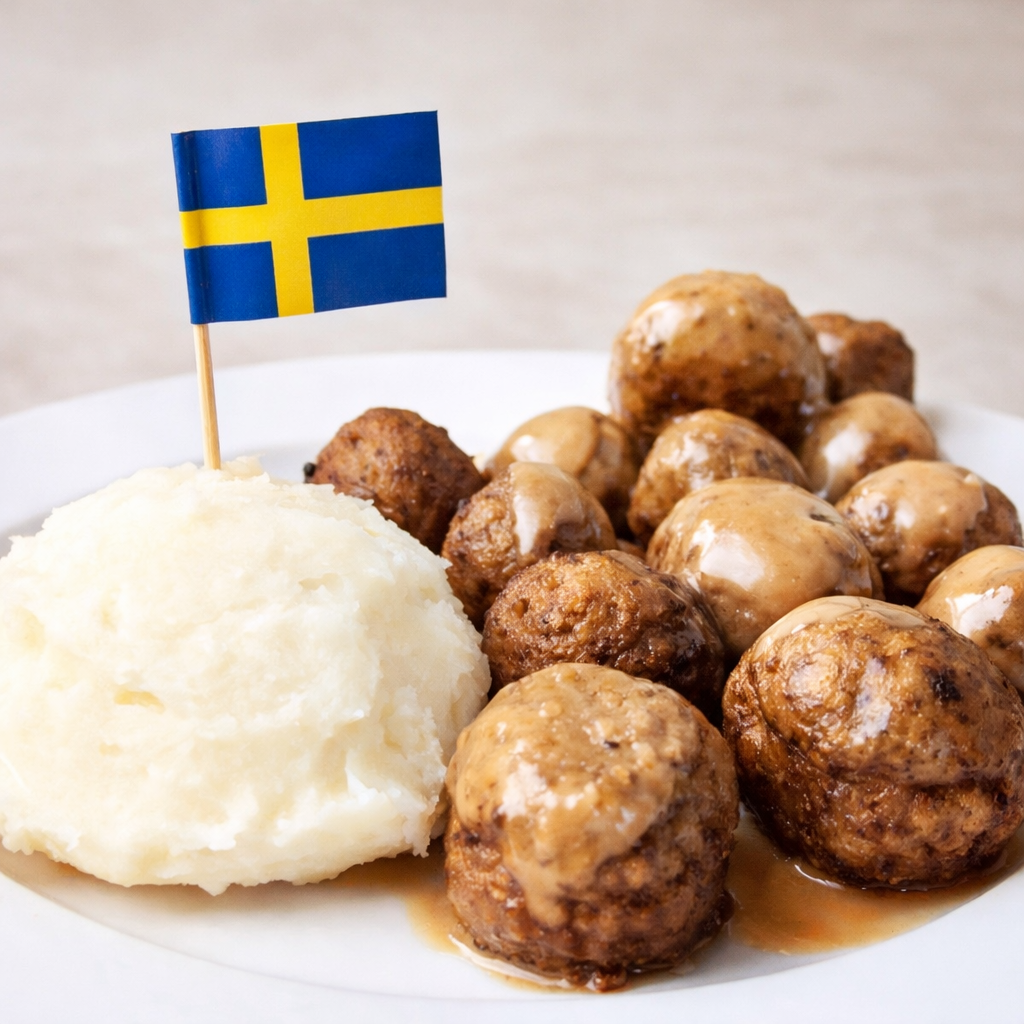
Before
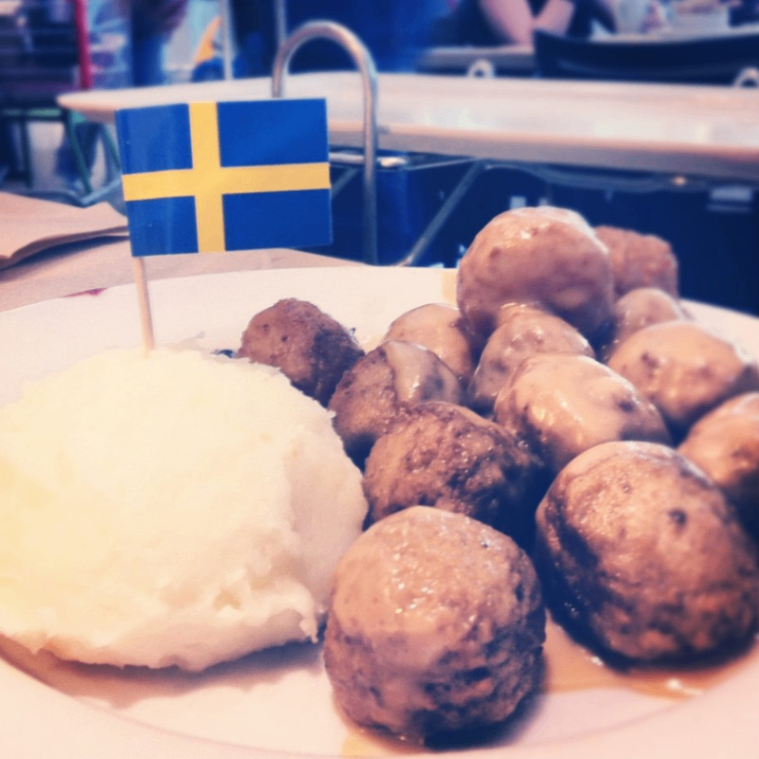
After
How It Works
Upload your food photo
Drag and drop any photo from your phone or camera
AI enhances it automatically
Food-specific AI improves color, texture, and appetite appeal
Download and publish
Ready for your menu, website, and delivery listings in under 30 seconds
AI Enhancement vs. Hiring a Photographer in Boston
| With FoodieFixer | Hiring a Photographer | |
|---|---|---|
| Cost per dish | $0.30 | $20–$50 |
| Turnaround | 30 seconds | 1–2 weeks |
| Menu changes | Anytime | Schedule in advance |
| Setup required | None | Full shoot setup |
| Consistent style | Automatic | Depends on photographer |
Boston's restaurant market is shaped by its extraordinary concentration of universities — Harvard, MIT, Boston University, Northeastern, and dozens of smaller institutions collectively bring hundreds of thousands of students and faculty to a relatively compact urban area. That student population drives high delivery usage, particularly through DoorDash and Uber Eats, and the delivery market intensifies in winter when Boston's cold and sometimes brutal weather keeps people indoors. Neighborhoods like the South End, Cambridge, and Somerville have developed ambitious independent restaurant scenes that compete for both student and professional customers.
Boston's seafood tradition — clam chowder, lobster rolls, oysters from Cape Cod — is one of the strongest culinary identities of any American city, and the city's restaurants that serve these traditions compete heavily for tourist spending. Those visitors discover restaurants through Google and TripAdvisor, making photo quality a direct revenue factor. For an independent seafood spot in the Seaport or a neighborhood restaurant in Jamaica Plain, looking as good online as the food tastes in person is not aspirational — it's necessary to compete in a market where the next restaurant is always just around the corner.